
Safeguard your Node.js projects using our online obfuscation tool. Defend against unauthorized access and code theft employing obfuscation methods.
Experience effortless integration and enhanced performance through an intuitive tool.
Source Code
Paste your JavaScript code here...
Lines: 0
Characters: 0
Obfuscated Code
Your obfuscated code will appear here
Lines: 0
Characters: 0
Discover Shield's advanced
features for JavaScript
Go ahead and start using the full version
of Shield for JavaScript.
of Shield for JavaScript.
Discover Shield's advanced
features for JavaScript
Go ahead and start using the full version
of Shield for JavaScript.

Experience Unmatched NodeJS Code Protection
Discover why obfuscation in NodeJS is essential and how Shield surpasses all other options. Safeguard your intellectual property, enhance application security, and maintain a competitive edge with our top-tier obfuscation solution.
Robust Nodejs Code Obfuscation
Experience top-notch Nodejs code obfuscation with our advanced algorithms, designed to protect your code from prying eyes. Our obfuscation techniques ensure that your intellectual property remains secure, without compromising the functionality of your application. Enjoy peace of mind with our reliable and efficient obfuscation process.
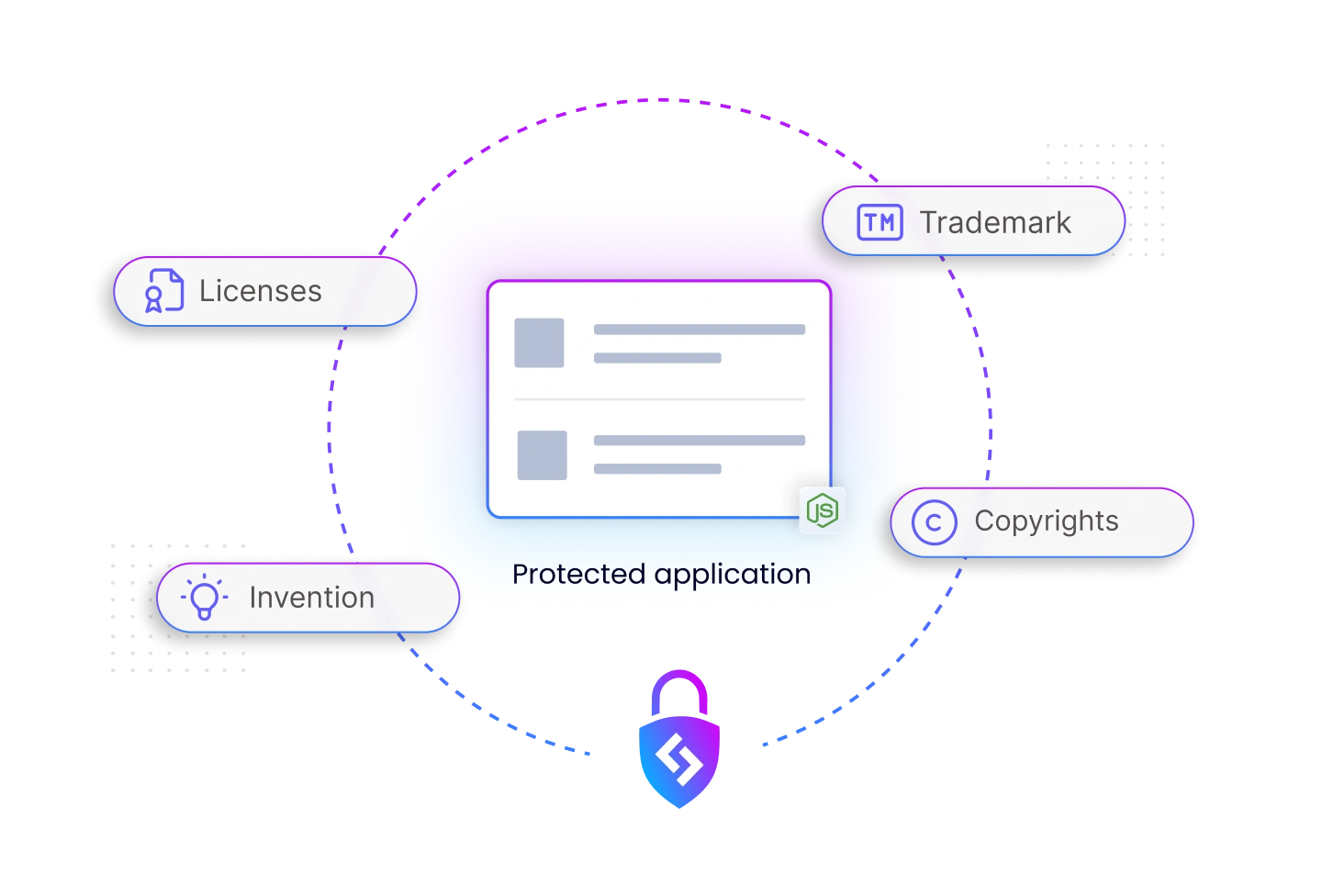

Tailor-made NodejsJS Obfuscator
Our Nodejs JS obfuscator is tailored to cater to the specific needs of NodejsJS projects. With a keen focus on upholding the security and integrity of your NodejsJS applications, our obfuscator tool ensures that your code is protected against reverse engineering and unauthorized access.
Code Optimization and Obfuscation
Our Nodejs obfuscator not only protects your code but also optimizes its performance through code minification and compression. Experience faster loading times and improved application performance while ensuring the security of your Nodejs projects. Streamline your development process with our comprehensive obfuscation and optimization solution.

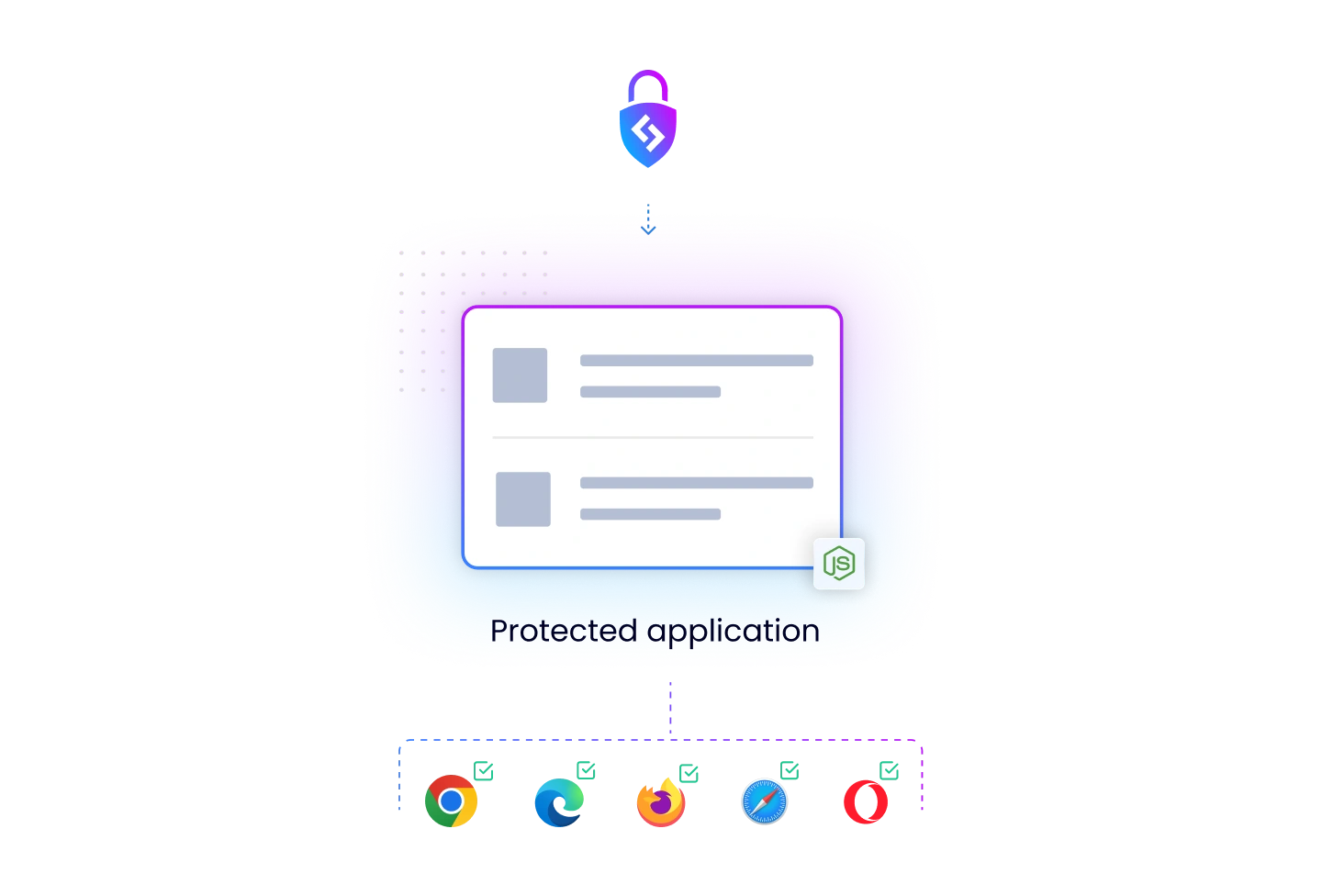
Code Optimization and Cross-Browser Reliability
Our advanced obfuscator does more than just secure your NodeJS application’s code. It ensures flawless execution and consistency across all target environments. By transforming and optimizing your source code, we preemptively eliminate the subtle compatibility issues that lead to runtime exceptions and unstable behavior. This delivers a robust and dependable experience, guaranteeing your application performs as intended, everywhere it runs.
Dangers of Unprotected Nodejs Apps
Failing to obfuscate your Nodejs app can lead to numerous issues, including code theft, altered functionality, and security vulnerabilities. Protect your app and avoid the risks associated with unobfuscated code.

Code Theft
Unprotected Nodejs code is easily accessible, making it a prime target for theft by competitors looking to gain an advantage by using your hard work.

Reverse Engineering
Without obfuscation, your Nodejs code can be reverse-engineered, allowing attackers to analyze your application’s structure and logic, potentially exploiting any security vulnerabilities.

Security Breaches
Unobfuscated Nodejs code is more vulnerable to unauthorized access, data breaches, and other malicious activities, putting your application’s security at risk.

Tampering
If your Nodejs code is not obfuscated, it can be altered or modified by unauthorized users, potentially compromising your application’s security and functionality.
Code Theft & Reverse Engineering
Leaving your Nodejs code unprotected exposes it to various risks, such as theft by competitors who may use your work for their advantage. It also increases the chances of reverse engineering, enabling attackers to analyze your application’s structure and exploit any security vulnerabilities they discover.
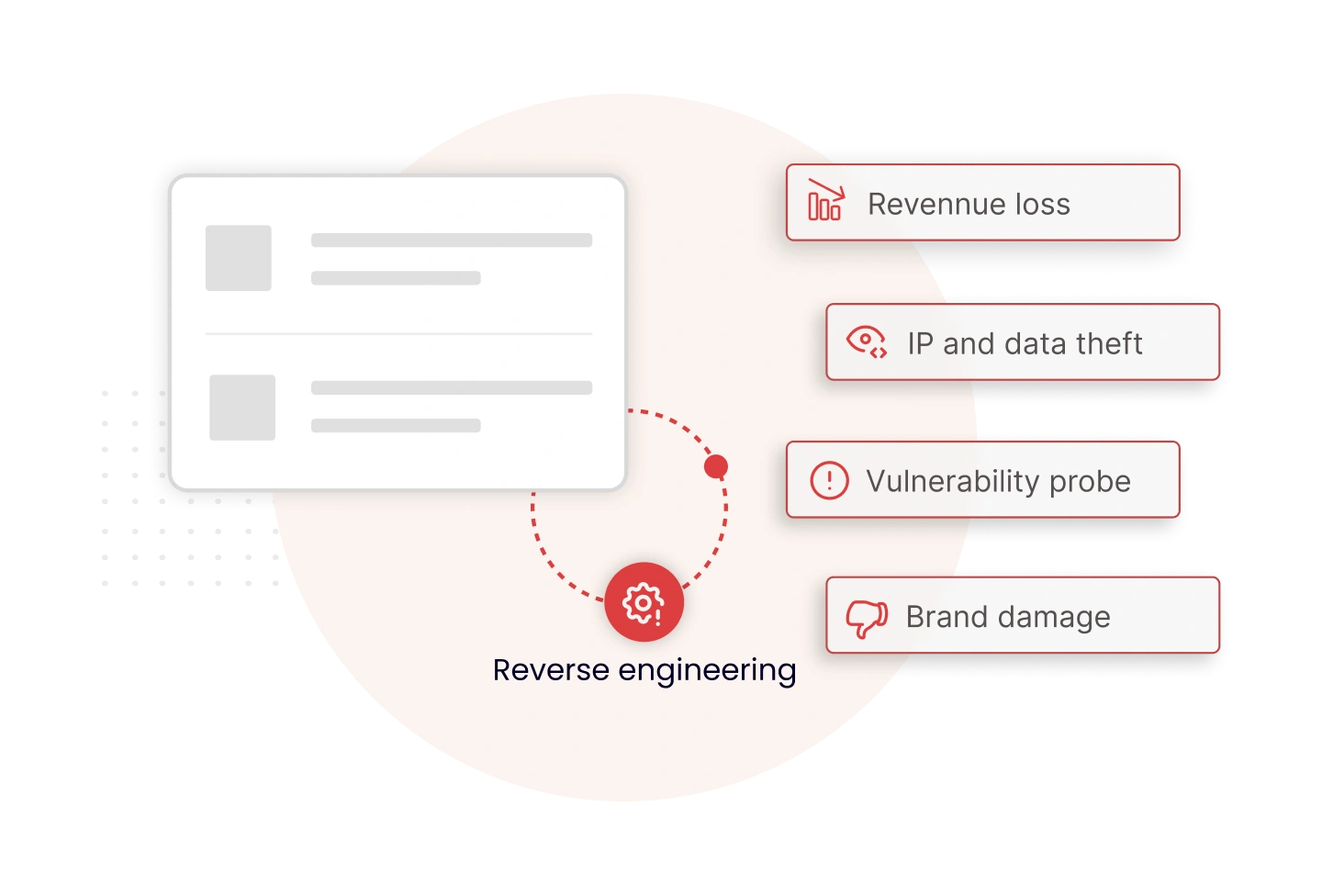

Increased Security Vulnerabilities
Unobfuscated Nodejs code is more susceptible to security breaches and unauthorized access, which can lead to data theft, compromised user credentials, and other malicious activities. Ensuring the security of your Nodejs application is crucial in today’s digital landscape.
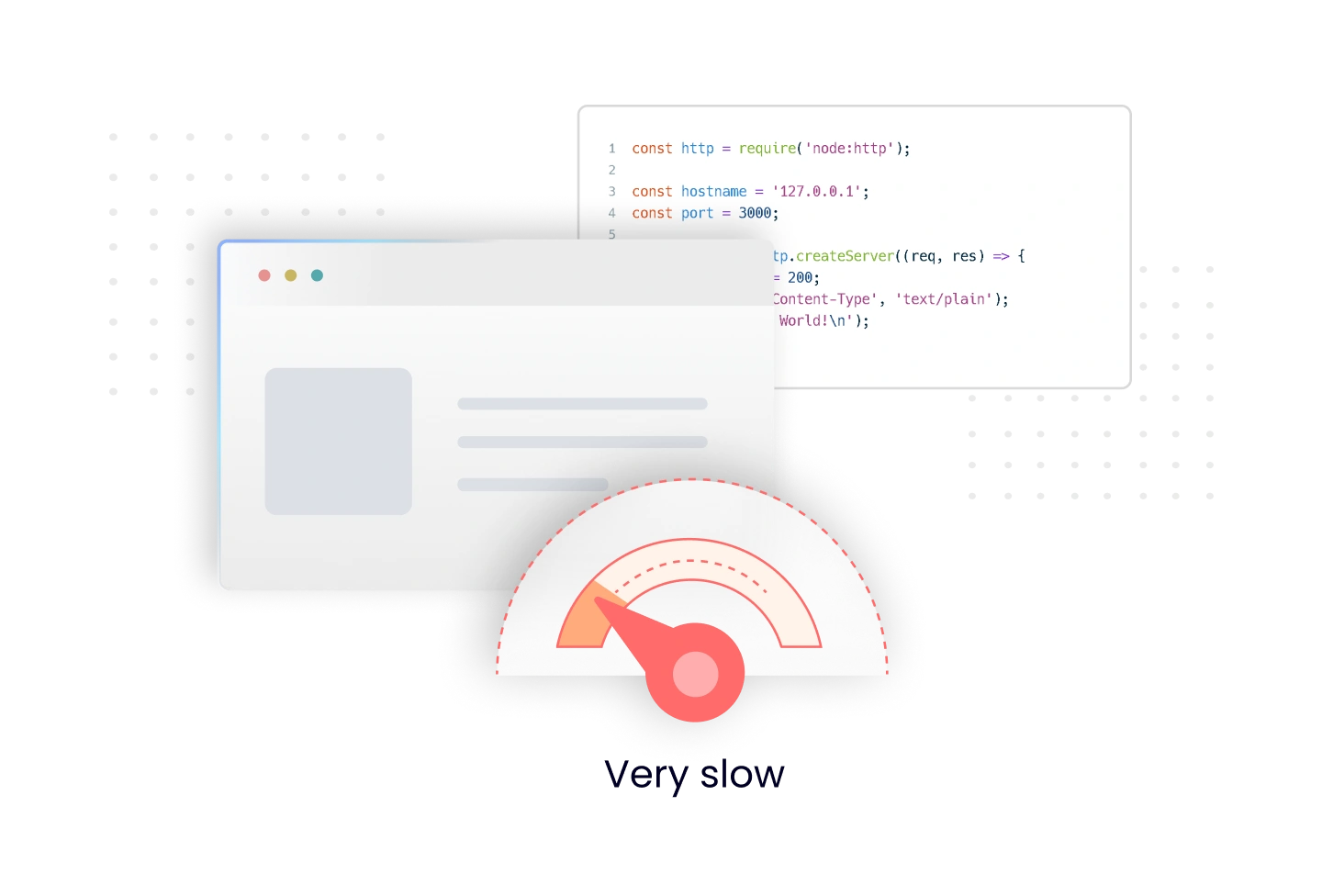
Application performance issues
Leaving your NodeJS code unobfuscated exposes your application to significant security threats and can degrade its performance. Malicious actors can easily analyze, steal, and repurpose your proprietary logic. Furthermore, unobfuscated code is less efficient, often resulting in slower load times and a less responsive application, which directly harms the user experience.
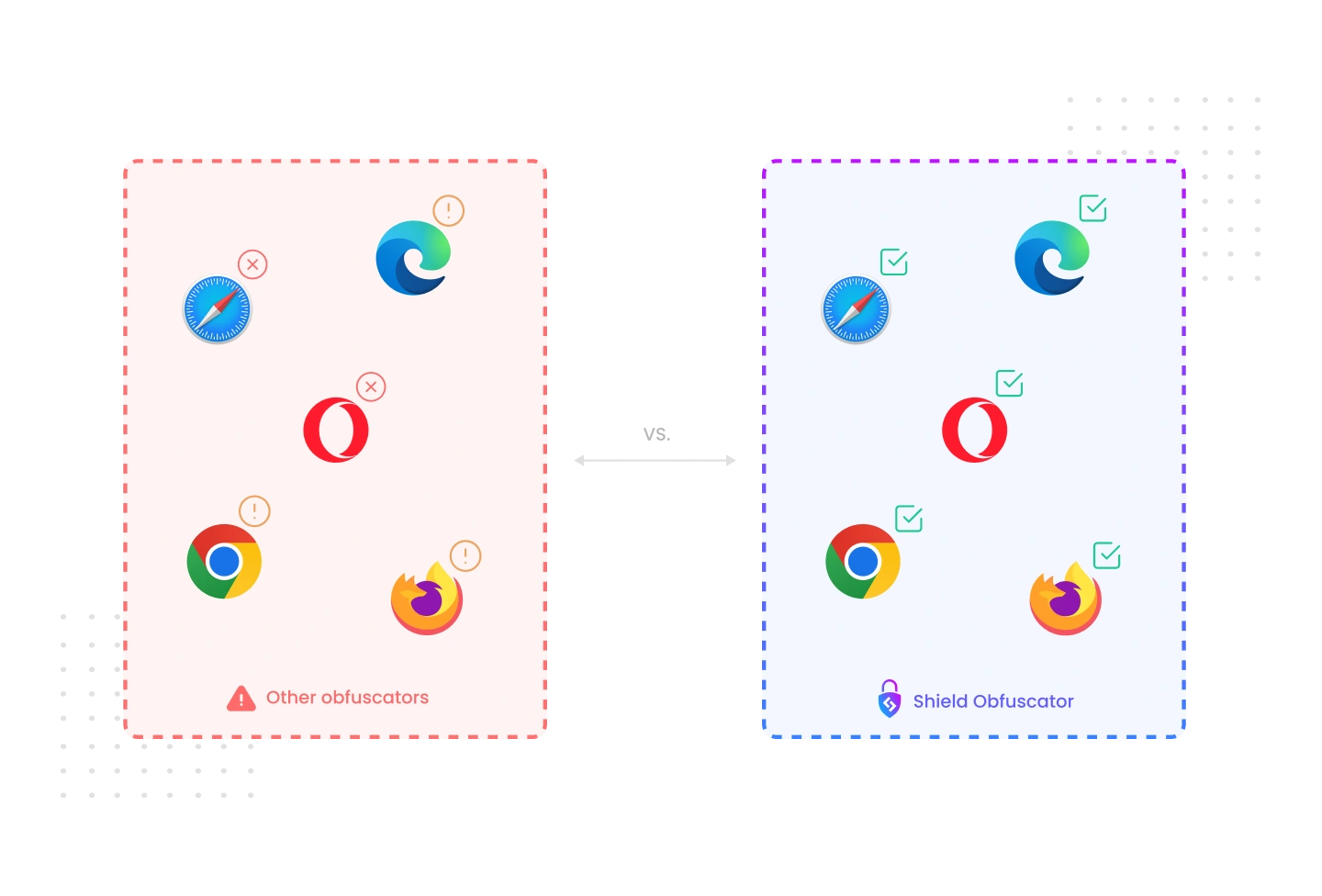
Cross-Browser Incompatibility
Unprotected NodeJS code is highly susceptible to browser-specific compatibility issues. These incompatibilities frequently manifest as runtime errors, unexpected behavior, and application crashes. When your code is not standardized through obfuscation, subtle differences in how browsers parse and execute NodeJS can prevent users from successfully downloading, installing, or using your application.
Trusted by developers from over 50 countries
ByteHide Shield provides a powerful and necessary infrastructure and integrations to automate the process of effectively securing source code.
4
Protected code lines
4500
Developers
200
Companies that trust
We are backed by


Using our Nodejs Obfuscator
Frequently asked questions about obfuscation and applications protection
Why is NodeJS obfuscation important?
NodeJS obfuscation is crucial for protecting your application’s source code from unauthorized access, theft, and tampering. It safeguards your intellectual property, prevents security breaches, and maintains the integrity of your code. Obfuscation makes it difficult for attackers to reverse-engineer your code, ensuring that your unique features and functionality remain secure and giving you a competitive edge in the market.
How does a NodeJS obfuscator work?
A NodeJS obfuscator is a tool that transforms your original, human-readable code into a format that is difficult to understand and reverse-engineer. It uses advanced algorithms and techniques to obfuscate your code, making it hard for attackers to decipher and manipulate. The obfuscator also optimizes your code, reducing its size and improving its execution speed for better application performance.
What are the key features of a good NodeJS obfuscator?
A good NodeJS obfuscator should offer state-of-the-art code protection, employing advanced obfuscation techniques to secure your code. It should also optimize your code for faster execution and reduced size. Easy integration into your development workflow, regular updates to stay ahead of threats, and expert support from experienced NodeJS developers are other essential features to look for in a top-quality obfuscator.
Does obfuscation impact the performance of my NodeJS application?
While obfuscation does modify your code, a well-designed NodeJS obfuscator not only protects your code but also optimizes it for better performance. The obfuscator reduces the size of your code and enhances its execution speed, ensuring that your application continues to run smoothly without any negative impacts on its performance.





